Havering Skip Hire: Recycling and Sustainability Commitment
 At Havering Skip Hire we place eco-friendly waste disposal and long-term sustainability at the heart of everything we do. Our local skip hire and rubbish services are designed to support the borough's pragmatic approach to waste separation and resource recovery. We work across domestic, commercial and construction projects to reduce landfill dependency and maximise reuse, recycling and responsible disposal in the Havering area.
Our sustainability strategy for skip hire in Havering sets clear, measurable goals. We have a company-wide recycling percentage target of 75% diverted from landfill by 2028, with staged improvements to hit higher rates thereafter. This target covers sorted waste streams recovered from skips, careful on-site segregation, and post-collection processing at authorised facilities. The ambition is to create a resilient, low-waste local economy through consistent operational improvements and community collaboration.
 We coordinate closely with local transfer stations and material recovery facilities serving the borough. By directing sorted materials to the nearest authorised transfer station and MRFs, we reduce double-handling and carbon miles. The borough's approach to waste separation — for example separated collections for food, garden waste and dry recycling — complements our on-site sorting routines, helping to increase capture rates for paper, glass, plastics, metals and organic material.
We are proud of our partnerships with charities and reuse organisations. Strong collaboration with local furniture banks, community reuse centres and social enterprises ensures that reusable items salvaged from clearances and domestic skips get a second life. Donated furniture, working appliances and good-condition building materials are collected, refurbished and redirected to community projects rather than being sent to landfill.
 Low-carbon transport is a major pillar of our sustainable rubbish services. Our fleet is being upgraded to include hybrid and fully electric vans alongside ultra low-emission diesel vehicles where necessary. We also employ route optimisation software and consolidated collections to cut fuel use and emissions. These measures reduce the embodied carbon of waste collection and support Havering's broader air quality and climate objectives.
To support material-specific recycling activity, our teams are trained to separate typical skip contents commonly encountered in the borough: inert materials (concrete, bricks, soil), mixed timber and treated wood, metals, plasterboard, green waste, general household items and hazardous small-waste like batteries and paint. We operate clear labeling and segregation guidance so customers can choose appropriate skips and services, improving recovery at downstream sorting plants.
How we sort, recover and measure impact
At collection our operatives follow best-practice segregation: bulk recoverables are separated from non-recyclable residues. At local transfer stations and partner processing hubs, material streams go to specialist facilities for recycling, composting or safe disposal. We track tonnes per stream and publish internal performance metrics so we can measure progress toward our recycling percentage target and adapt operations.
 Key recyclable streams we prioritise include:
- Metals — ferrous and non-ferrous separated for scrap recycling
- Wood — recovered for reprocessing or biomass when untreated
- Inert materials — crushed and reused for construction fill
- Plastics and glass — sorted and forwarded to regional MRFs
- Green waste and food residuals — sent for composting or anaerobic digestion
We continually audit incoming loads and recovery outcomes to refine which skip types are best matched to specific job types. This targeted approach helps builders, landscapers and homeowners in Havering choose the right skip and prepare materials for high-value recycling.
Sustainable partnerships and community benefits
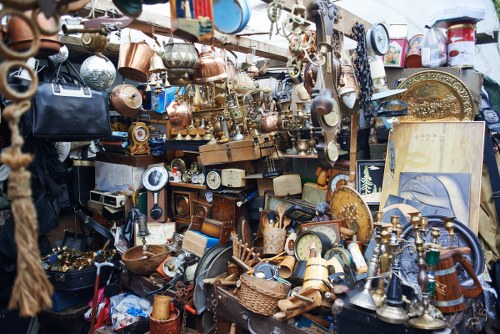 Our network includes local charities, reuse centres and community schemes that accept diverted items. Instead of disposing of salvageable items, our teams coordinate drop-offs to local charities and donation points; larger reuse items are collected through scheduled charity pickups. These partnerships create social value by supporting vulnerable households and community initiatives while keeping reusable goods in the circular economy.
We also maintain transparent reporting on our environmental performance: diversion rates, fuel-use reductions from our low-carbon vans, and the quantities of materials sent to transfer stations versus landfill. This helps local planners and community groups understand the benefits of responsible skip hire and supports borough goals to reduce waste and boost recycling.
Choosing Havering Skip Hire means selecting a provider committed to practical, measurable sustainability. Whether you need a mixed-waste skip for a renovation, a clean inert container for a landscaping project, or advice on how to separate loads to maximise recycling, our services are tailored to reduce environmental impact, support local reuse, and lower the carbon footprint of waste handling in the borough.