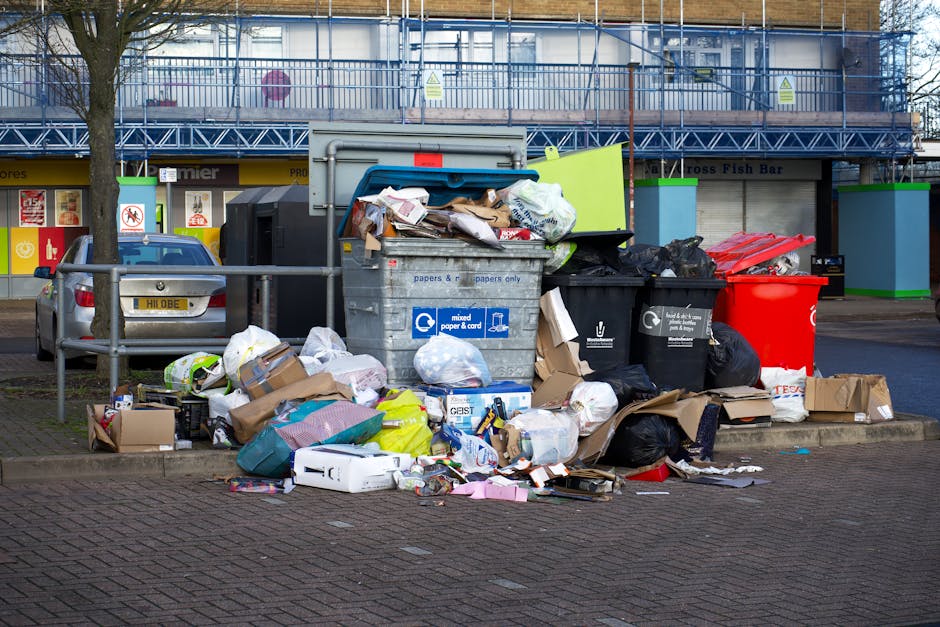
Upminster RM14 House Clearance and Rubbish Removal Tips Havering
If you are clearing a property in Upminster RM14, the job can feel straightforward right up until you start opening cupboards, lifting old furniture, and realising the loft has been quietly collecting decades of "we'll deal with that later". This guide to Upminster RM14 house clearance and rubbish removal tips Havering is designed to make the process calmer, safer, and far more organised. Whether you are dealing with a full house clearance, a single-room sort-out, or a pile of mixed rubbish after a move, a refurb, or a bereavement, the right approach saves time and avoids unnecessary stress.
To be fair, most people do not need more theory. They need a practical plan: what to sort first, what can go in a skip, when a man and van makes more sense, how to handle awkward items, and how to avoid paying for capacity you never use. Let's get into the stuff that actually helps.
Why Upminster RM14 house clearance and rubbish removal tips Havering Matters
House clearance is not just about getting rid of things. It is about making space safely, legally, and with as little disruption as possible. In Upminster RM14 and the wider Havering area, many homes are a mix of older properties, family homes, flats, and places with tight access or limited driveway space. That changes the way waste needs to be handled.
A poorly planned clear-out can lead to a lot of avoidable hassle: blocked access, neighbours annoyed by noise or mess, loads that are too heavy to lift, and items that should never have been mixed together in the first place. A sensible plan helps you separate reusable items, general rubbish, bulky waste, and anything that needs specialist disposal. Sounds simple. It often isn't.
There is also the financial side. If you overfill a skip, hire the wrong size, or choose a service that does not fit the access at your property, the cost can creep up fast. Good planning is one of the few ways to keep a clearance genuinely efficient without cutting corners.
For larger clear-outs, it often helps to think in terms of service type rather than "one size fits all". A standard house clearance service may suit an entire property. A garage and loft clearance works better for smaller, more awkward spaces. For mixed household waste and bulky items, rubbish removal can be more convenient than loading everything yourself.
How Upminster RM14 house clearance and rubbish removal tips Havering Works
The basic process is usually the same, even if the property is different. First, you identify what needs to go. Then you decide whether it should be sorted, sold, donated, recycled, skipped, or collected as rubbish. After that, you choose the best removal method based on volume, access, and timing.
In real life, this is where people often pause. They look at a room, then another room, then the hallway, and realise the pile is not really one pile. There are soft furnishings, appliances, old paperwork, garden cuttings, broken cupboards, and a few mystery items nobody wants to claim. That is normal. The trick is not to fight the mess all at once.
A practical clearance usually breaks down into three stages:
- Sort what stays, what goes, and what needs special handling.
- Choose the right removal method based on how much waste you have and where it is stored.
- Load and dispose responsibly, aiming to recycle wherever possible.
If access is easy and the load is moderate, a domestic skip hire option can be a straightforward fit. If access is tight or the waste needs to be removed quickly, wait and load skip hire can be a useful alternative because the vehicle stays only long enough to load. For heavier or loose material, grab hire services can be efficient where a mechanical grab is practical.
If you are dealing with larger, more specialised waste streams, there are also options such as fridge and appliance removal and mattress and sofa disposal. Those items are awkward, bulky, and annoying in all the usual ways, so it is often worth separating them early.
Key Benefits and Practical Advantages
A well-planned house clearance does more than clear floor space. It can make a home safer to move around in, reduce the risk of damaged walls and stair rails, and help you avoid multiple trips to the tip or recycling centre. It also makes the whole job feel less emotionally heavy, which matters more than people think.
Here are the main advantages of approaching it properly:
- Less stress: the job feels manageable when it is broken into steps.
- Better value: choosing the right method avoids paying for wasted capacity.
- Safer handling: bulky or heavy items are moved with less risk of injury.
- Cleaner finish: less leftover debris, less dust, fewer forgotten corners.
- Improved recycling potential: separating waste means more can be reused or processed responsibly.
There is also a very real time-saving benefit. A cluttered property can turn a simple task into a full-day slog. And if you are working around an estate agent viewing, a tenancy deadline, probate arrangements, or a builder's start date, time is not just money. It is peace of mind.
Expert summary: the best house clearance is rarely the quickest one to start. It is the one that begins with sorting, access checks, and a clear decision on which removal method fits the load.
For business premises, outbuildings, or mixed-use properties, the same logic applies. You might need office clearance, site clearance, or a more specialist service depending on what is on the premises. The principle stays the same: match the waste to the right solution.
Who This Is For and When It Makes Sense
This topic is relevant to a lot of people, not just homeowners. In Upminster RM14, it often makes sense for:
- Homeowners preparing to move
- Landlords turning a property around between tenancies
- Families clearing a deceased relative's home
- People emptying lofts, garages, or sheds
- Anyone dealing with bulky rubbish after decorating or renovation
- Busy households that need a quicker, less hands-on option
It also makes sense when you are juggling tight access. A narrow side return, a shared driveway, or limited parking can make skip placement awkward. In that case, a man and van style collection may be better than leaving a skip on site, especially if the clearance is staged over a few hours rather than several days.
For renovation and building-related waste, other services may suit you better. A project involving broken plaster, timber, packaging, and rubble might be better handled through builders skip hire or builders waste removal. If the job is larger again, options like construction waste disposal and demolition waste removal become more relevant.
Truth be told, people usually know they need help; they just are not sure which kind. That uncertainty is normal. The good news is that once you identify the waste type and access conditions, the choice gets much clearer.
Step-by-Step Guidance
1. Walk through the property first
Do not start lifting until you have done a full walkthrough. Check every room, loft, shed, garage, cupboard, and under-stairs space. Make a quick note of anything fragile, heavy, hazardous, or sentimental. This is the stage where you spot the old printer no one has used since 2014 and the box of cables that somehow contains only chargers for nothing you still own.
2. Separate items into simple categories
Use broad groups: keep, donate, recycle, dispose, and special handling. If you try to make the categories too detailed, the job becomes slower than it needs to be. Keep it practical.
3. Identify awkward or restricted items early
Appliances, mattresses, sofas, broken glass, paints, batteries, and confidential papers should be treated differently from standard mixed rubbish. It is easier to plan around them before the removal day than to discover them when the truck arrives.
4. Check access and loading conditions
Think about stairs, narrow paths, low branches, parking restrictions, and whether the item can be carried safely without damage. If access is awkward, a wait and load skip hire approach or a targeted collection may be more suitable than a skip left in a difficult spot.
5. Pick the right disposal route
For general household clutter, rubbish removal is often the most direct option. For mixed domestic waste, skip hire may be better if you want to load at your own pace. For bulky furniture, appliances, or single-item removals, specialist disposal services may save a lot of faffing about.
6. Load safely and in the right order
Heavier items should go in first, with lighter or more fragile items packed around them only if appropriate. Never stack unstable items where they can topple. It sounds obvious, but people still do it. Usually once. Then they remember why that was a bad idea.
7. Finish with a final sweep
Check corners, loft hatches, behind doors, and under shelves. A final sweep catches odd leftovers like broken curtain rails, loose screws, and that one shoe that has been missing for a year.
Expert Tips for Better Results
If you want the process to feel smoother, a few small habits make a big difference.
- Take photos before you begin. Useful for planning and for checking progress.
- Label piles clearly. It reduces confusion when several people help.
- Keep hazardous items separate. Do not let them drift into general waste.
- Measure bulky pieces. Sofas, wardrobes, and large appliances are notorious for being bigger than expected once you get them near a doorway.
- Protect floors and corners. Old homes in particular can mark easily.
- Plan the route out of the property. A clear hallway saves time and knocks.
One of the best practical tips is to work from the top down. Start in the loft, then bedrooms, then downstairs rooms, then outbuildings, then garden waste if needed. It feels more orderly, and you are less likely to end up shuttling the same item through the house twice.
If you know in advance that the job involves a mix of secure papers, old records, or business documents, confidential shredding can be part of the plan too. That is especially helpful in probate situations, office closures, or when clearing a home office that has quietly become a paper mountain.
For garden-heavy clearances, a quick look at garden waste removal can stop you clogging up the main load with branches, soil bags, and hedge cuttings. Mixing waste streams is one of those things that seems harmless until it creates avoidable delays.
Common Mistakes to Avoid
Most clearance problems come from the same few mistakes. Fortunately, they are preventable.
- Starting without sorting. Everything becomes slower if you move items first and think later.
- Ignoring access issues. A narrow driveway or no parking can throw off the whole plan.
- Mixing prohibited or specialist waste into general rubbish. That can create handling problems and delays.
- Choosing a method just because it sounds cheapest. The cheapest option on paper is not always the best value.
- Underestimating volume. A half-full room can still create a surprising amount of waste.
- Forgetting sentimental decisions. This is a big one in house clearance. If a decision needs a second opinion, pause and label the item rather than rushing.
A lot of people also leave heavy items until the end. That is understandable, but it tends to make the day feel harder than it needs to be. Do the awkward items early while you still have energy. Your back will thank you, and honestly, so will your mood.
Another common mistake is not checking whether the waste stream is suitable for the chosen removal method. Some loads are fine in a standard skip, while others are not. It is worth reviewing what can go in a skip before you start throwing things in. It saves a lot of awkward re-sorting later.
Tools, Resources and Recommendations
You do not need a warehouse full of gear to do a good clearance. A few simple items make the whole job feel much more controlled.
- Heavy-duty bin bags or rubble sacks
- Strong gloves
- Marker pen and labels
- Tape measure for bulky items
- Dust sheets or old blankets for floor protection
- Trolley or sack truck for heavy items where appropriate
- Basic cleaning supplies for the final sweep
From a service-planning point of view, the following pages are the most useful starting points: skip sizes and prices if you are deciding capacity, pricing and quotes if you want to budget sensibly, and recycling and sustainability if you want to understand how waste is handled beyond collection day.
If speed matters, same day skip hire can help when a property needs to be cleared quickly. If you are working on a project with tight timing and controlled access, enclosed and lockable skip hire may be worth considering for security and tidiness. Small things, big difference.
For customers who prefer a more hands-off approach, garage and loft clearance is a practical way to deal with the spaces most people avoid until they absolutely must.
Law, Compliance, Standards and Best Practice
Waste disposal in the UK should be handled carefully and responsibly. While this article is not legal advice, the basic principle is straightforward: waste should go to a legitimate disposal route, and hazardous or specialist items should be handled separately. That is standard best practice for both household and commercial clearances.
For homeowners and landlords, the main practical points are:
- Do not mix hazardous items into general household waste.
- Keep documents secure until they are destroyed properly.
- Use a waste carrier or disposal method that suits the material type.
- Check whether a skip may require a permit if it cannot be placed fully on private land.
If a skip is needed and it has to sit on the road, it is worth looking at skip hire permits or skip permits so you understand the practical side before booking. Not every property will need one, of course, but it is much better to check early than to discover the issue on delivery day.
Health and safety also matters. Clearance work involves lifting, sharp edges, dust, and sometimes contamination from old appliances or damp storage areas. A responsible provider should work in line with reasonable safety practices, and you should too. If you are handling the job yourself, pace the work, use suitable gloves, and stop before the job becomes a strain.
For business customers, extra care is needed with records, stock, equipment, and waste segregation. Commercial skip hire or commercial solutions may suit office, retail, or mixed premises, while health and safety policy and insurance and safety information can help you judge how seriously a provider treats risk.
Options, Methods, or Comparison Table
There is no single best method for every clearance. The right choice depends on volume, access, time, and the type of waste. Here is a simple comparison.
| Method | Best for | Strengths | Watch-outs |
|---|---|---|---|
| Skip hire | Mixed household waste, ongoing clear-outs, DIY debris | Loads at your own pace; good for multi-day projects | Needs space; may require a permit depending on placement |
| Rubbish removal | Quick clearances, bulky items, one-off loads | Simple and fast; minimal lifting for the customer | Needs clear access and careful scheduling |
| Man and van | Smaller properties, staged loads, tight access | Flexible and often handy for awkward jobs | Less suited to large volumes of rubble |
| Grab hire | Heavier loose waste, larger piles, outdoor material | Efficient for bulk lifting and bulky loose material | Requires suitable vehicle access and loading space |
| Wait and load | No parking for a skip, fast driveway-based jobs | Good for time-sensitive situations | Less convenient if sorting takes a while |
If your clearance includes a lot of rubble or mixed builders' debris, a builders waste removal or construction waste clearance approach may fit better than a simple household collection. If the job is more site-based than domestic, site clearance can be the more relevant route.
Case Study or Real-World Example
A typical Upminster RM14 scenario might look like this: a family is preparing to clear a two-bedroom property after years of accumulation. The front room contains a sofa, an old bookcase, boxed clothes, and loose household waste. The loft has suitcases, Christmas decorations, old paperwork, and a couple of heavy boxes that nobody wants to open. The garage contains broken shelving, a fridge freezer, garden tools, and half a bag of building offcuts from a previous DIY project.
At first glance, it looks like "just a big clear-out". But once the sorting starts, it becomes clear that the best approach is mixed. The sofa and fridge need separate handling. The paperwork should not be thrown in with the general rubbish. The building offcuts may be better suited to a builders' waste solution, while the rest can go in a domestic skip or a collection service.
In a case like this, the family saves time by sorting room by room, then using a mix of services rather than trying to force every item into one method. The result is a cleaner property, less lifting, and fewer last-minute surprises. Not glamorous, but effective. Which is usually what matters.
That same logic applies to an office closure or a small business move. If there are filing cabinets, broken chairs, old printers, and sensitive documents, the right combination might involve office clearance alongside confidential shredding and a practical waste collection plan. Simple in theory, but much easier when each item has a lane.
Practical Checklist
Use this checklist before you book or begin the clearance:
- Walk through every room and storage space.
- Separate keep, donate, recycle, and dispose piles.
- Set aside hazardous or specialist items early.
- Measure bulky furniture and appliances.
- Check access, parking, and loading space.
- Decide whether skip hire, rubbish removal, wait and load, or grab hire suits the job.
- Review what can and cannot go into the chosen disposal method.
- Think about permits if a skip may need road placement.
- Protect floors, walls, and stairways if moving items yourself.
- Book in enough time for a proper final sweep.
If you are unsure where to begin, start with the biggest obstacle. Usually that means the loft, garage, or the one room where everything has been quietly hidden. It gets easier after that.
Conclusion
Upminster RM14 house clearance does not need to be overwhelming. With the right plan, the right removal method, and a realistic view of what needs sorting, the job becomes much more manageable. The biggest wins usually come from small decisions: separating waste properly, checking access early, and choosing a service that actually fits the load instead of forcing the load to fit the service.
Whether you are clearing a family home, a rental property, a loft, or a pile of mixed rubbish after DIY work, the smart move is to plan first and lift second. That little bit of preparation saves time, cuts stress, and tends to leave the property looking better at the end of the day. Which, let's face it, is exactly the point.
Get a free quote today and see how much you can save.
And if today feels like one of those messy jobs that has been hanging over you for weeks, take it one room at a time. You really can get there.
Frequently Asked Questions
What is the best way to start a house clearance in Upminster RM14?
Start with a walkthrough of the entire property and split items into keep, donate, recycle, dispose, and specialist handling. That stops the job becoming chaotic before it begins.
Should I use skip hire or rubbish removal for a house clearance?
Use skip hire if you want to load at your own pace over a longer period. Use rubbish removal if you want a quicker, more hands-off option for bulky or mixed waste.
Do I need a permit for a skip in Havering?
Only if the skip needs to be placed on public road space or another area where a permit is required. If it sits fully on private land, a permit may not be needed. It is best to check before booking.
What items should be kept separate during a clearance?
Keep hazardous items, confidential papers, fridges, mattresses, sofas, and any specialist waste separate from standard household rubbish. That makes disposal safer and more efficient.
Can I put furniture in a skip?
Often yes, but it depends on the skip rules and the type of item. Large furniture is commonly handled through skip hire or dedicated furniture disposal, but always check what can go in a skip first.
Is same day skip hire useful for a house clearance?
Yes, if the clearance is time-sensitive and you have enough ready-to-go waste. It is especially useful when you need to keep the project moving without delay.
What happens if access to my property is tight?
If parking, turning space, or driveway access is limited, a wait and load service or a man and van collection may be more suitable than leaving a skip on site.
How do I handle old appliances safely?
Appliances should be separated early and removed through an appliance disposal service. Fridges and freezers can be awkward, so it is usually better not to leave them until the end.
What is the safest way to clear a loft or garage?
Take it slowly, use gloves, and avoid lifting heavy boxes alone. A garage and loft clearance service can save time if the space is full, dusty, or difficult to access.
How can I keep house clearance costs under control?
Sort items before booking, choose the right service for the waste type, and avoid paying for more capacity than you need. It also helps to compare skip sizes and prices before making a decision.
What if the clearance includes paperwork or personal files?
Use confidential shredding for documents you do not need to keep. That is especially sensible for home offices, probate clearances, and business premises.
Are builders' waste and household rubbish treated the same?
No. Builders' waste, construction debris, and demolition material usually need different handling from general domestic rubbish. Matching the waste to the right service is the cleaner, safer route.
Can I mix garden waste with household rubbish?
You can sometimes use mixed disposal routes, but separating garden waste is often better for recycling and planning. If you have a lot of cuttings, branches, or soil bags, a garden waste-specific service may be more efficient.
Where can I find more help choosing the right disposal method?
The most useful starting points are pricing and quotes, skip sizes and prices, what can go in a skip, and the relevant clearance or removal service pages. That will usually point you in the right direction fast.