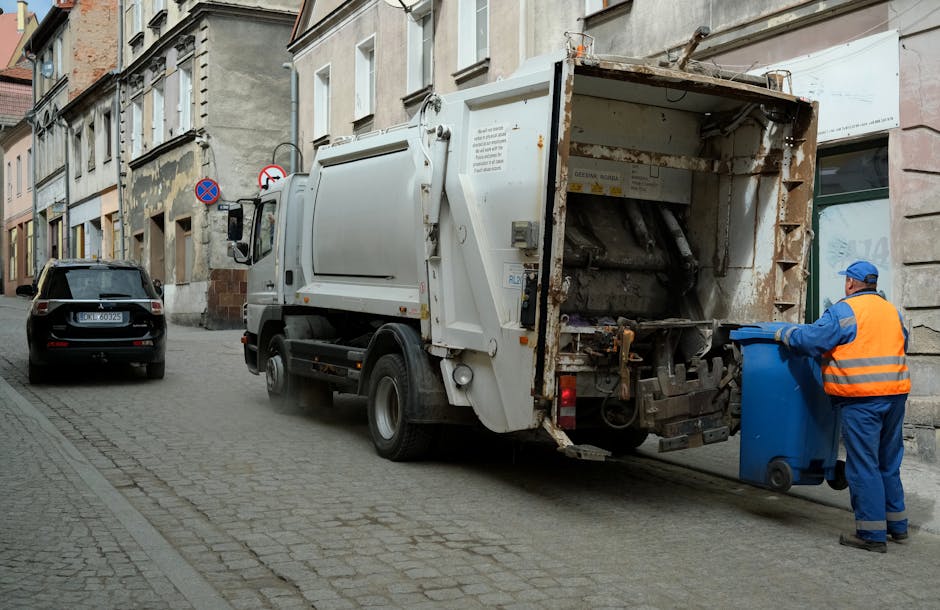
Romford Market rubbish removal guide for traders in Havering

If you trade at Romford Market, waste has a way of building up fast. Cardboard boxes, broken display materials, food packaging, shrink wrap, old signage, damaged stock, and the odd bulky item can turn a tidy stall into a cluttered one before lunchtime. This Romford Market rubbish removal guide for traders in Havering is here to make the whole job simpler, safer, and less stressful.
Whether you run a regular pitch, a seasonal stall, or a busy market unit that needs quick turnarounds, the right waste plan saves time and helps you stay on top of hygiene, access, and customer experience. Let's face it, nobody wants to unload fresh produce beside a pile of flattened boxes and a half-open sack of mixed rubbish. In this guide, you'll find practical steps, local considerations, common mistakes, and the best ways to choose between skip hire, wait-and-load, grab hire, and direct rubbish removal.
Quick takeaway: market traders usually need waste removal that is fast, flexible, and space-conscious. The best option depends on how much waste you generate, whether you have loading access, and how long you can keep waste on site.
Why Romford Market rubbish removal guide for traders in Havering Matters
Market trading is different from working in a shop or office. You are dealing with constant footfall, limited space, tight set-up windows, and the need to keep the stall looking sharp throughout the day. Waste becomes more than a nuisance. It can affect safety, presentation, trading efficiency, and sometimes even your relationship with neighbouring traders.
In a busy market environment, rubbish can quickly block walkways, attract pests, get in the way of deliveries, and create avoidable mess during peak trading times. If you are dealing with wet waste, packaging, old stock, or broken fittings, the problem can feel much bigger by the end of a shift. You know that feeling: one minute you have a neat stall, the next minute there are boxes underfoot and nowhere sensible to put them.
Rubbish removal matters because it helps you keep control of the day. It also supports a cleaner market atmosphere, which customers notice. People might not comment on a tidy trading area, but they absolutely notice when waste is left lying around. That first impression matters more than traders sometimes think.
For Havering businesses, a good waste routine also helps you manage local collection schedules, access constraints, and disposal choices without scrambling at the last minute. If you need a broader commercial solution, commercial skip hire can be useful for regular traders with consistent volumes, while rubbish removal services can suit smaller or more urgent clearances.
How Romford Market rubbish removal guide for traders in Havering Works
The process sounds simple, but the best results come from a bit of planning. Most market waste removal jobs follow the same basic pattern: identify the waste, separate what can be recycled or reused, decide how quickly it needs removing, then match that waste stream to the right service.
For example, a trader closing a food stall might mainly have packaging, food-related waste, and cardboard. A clothing trader might generate hangers, packaging, damaged stock bags, tissue paper, and display materials. A hardware stall could have timber offcuts, plastic wrap, old shelving, and mixed debris. Different waste types call for different handling.
In practical terms, the service options usually fall into a few buckets:
- Rubbish removal: best when you want waste taken away quickly without storing it for long.
- Wait-and-load: useful if you have access restrictions and the waste can be loaded directly into the vehicle during a short stop.
- Skip hire: better for larger volumes, planned refits, or when waste builds up over several days.
- Grab hire: helpful for heavier or bulkier waste, especially where loading by hand would be awkward or time-consuming.
For tighter sites, the flexibility of wait and load skip hire can be a real advantage because it avoids keeping a container on the street or on a cramped trading area. If you need something more secure for stock or mixed materials, enclosed and lockable skip hire may be worth a look.
The key is matching the method to the trading rhythm. That sounds obvious, but honestly it is where many people go wrong. They choose the cheapest-looking option first, then end up paying in time, disruption, or extra handling.
Key Benefits and Practical Advantages
Good rubbish removal is not just about getting rid of junk. It supports smoother trading, a better customer experience, and less last-minute stress. The benefits become obvious once you have a system in place.
- Cleaner stall presentation: customers see order, not clutter.
- Less trip hazard risk: especially important where walkways are tight and footfall is constant.
- Faster close-down: your team can pack away without spending ages dragging waste to the wrong place.
- Better recycling segregation: cardboard, metal, timber, and packaging are easier to separate when sorted early.
- Less pressure on storage: many market traders simply do not have room to let waste sit around.
- Improved flexibility: same-day or timed collection can help during stock changes, busy weekends, or seasonal resets.
There is also a reputational side to this. A tidy market pitch says something about how you run your business. Customers may never say it out loud, but they notice when a trader is organised. It builds confidence. And in a place like Romford Market, where trading conditions can change fast with weather, promotions, or holiday footfall, that confidence matters.
If your operation includes larger commercial quantities, builders skip hire and skip hire can also provide a stable disposal point for refurbishment waste, stall rebuilds, or periodic clear-outs. For traders who are working around a refurbishment or fit-out, construction waste disposal may be more suitable than a general rubbish collection.
Who This Is For and When It Makes Sense
This guide is for anyone trading at or around Romford Market in Havering who needs a practical, no-fuss way to manage waste. That includes long-standing stallholders, pop-up traders, seasonal sellers, and businesses that only trade on certain days.
It makes sense if you:
- generate regular packaging waste;
- need to clear broken stock, display units, or old signage;
- work with bulky items that are awkward to store;
- have limited back-of-stall space;
- need fast removal before the next trading day;
- want to keep recyclable material separate from general waste;
- are planning a stall refit, refresh, or stockroom clear-out.
It is also relevant if your waste stream changes through the year. Summer produce stalls, Christmas sellers, event traders, and market units with rotating stock all tend to produce different kinds and amounts of rubbish at different times. A good waste plan flexes with that. No one wants a rigid system that works beautifully for quiet weeks and falls apart the moment trading gets busy.
For traders who also operate from an office or storage base, office clearance and confidential shredding may help with paperwork, old records, or back-office clutter. If your stock overflow includes white goods or chilled equipment, fridge and appliance removal can be the cleaner option.
Step-by-Step Guidance
If you want a system that actually works on busy trading days, keep it simple and repeatable. Here is a practical way to handle rubbish removal without overcomplicating it.
- Look at the waste you produce in a normal week. Split it into cardboard, packaging, general rubbish, bulky items, and anything potentially hazardous.
- Estimate volume, not just weight. A lot of market waste is light but space-hungry, especially flattened boxes and film wrap.
- Check how quickly waste builds up. Daily, weekly, or only after events? That timing changes the best collection method.
- Decide where waste will be stored before collection. Keep it in a safe place that does not block access or create a visual mess.
- Separate recycling wherever possible. Cardboard and clean packaging are often the easiest wins.
- Choose the collection method that fits the site. If access is tight, think wait-and-load or a small, timed removal rather than a longer installation.
- Book ahead for known busy periods. Seasonal peaks can be hectic. A little planning goes a long way, and yes, it saves headaches later.
- Keep a quick handover note for staff. Who books it, who checks the waste pile, who confirms access, who signs off. Tiny thing, big help.
If you are unsure which vehicle or container size suits your workload, the information on skip sizes and prices can help you compare options more sensibly. And if you need a one-off clear-out rather than a standing arrangement, man and van can be a neat fit for lighter loads and quick collections.
One small but useful habit: keep a waste diary for two or three trade cycles. Nothing fancy. Just note what was removed, how much there was, and whether it caused a bottleneck. That's often enough to spot patterns you would otherwise miss.
Expert Tips for Better Results
After enough market clearances, a few lessons keep repeating. They are not flashy, but they work.
- Separate waste as you go. Do not leave sorting until the end of the day. That is when everything gets mixed, damp, and more annoying than it needs to be.
- Use a container system that suits your stall size. Simple stackable bins or labelled bags often work better than oversized tubs.
- Protect clean stock from waste contamination. Cardboard juice splashes, food residue, or mixed rubbish can spoil recyclable material fast.
- Keep an eye on access times. If your collection vehicle needs to manoeuvre around pedestrians or delivery traffic, short windows matter.
- Plan for the awkward items. Broken rails, bent frames, damaged pallets, and torn display boards are the kind of things that create surprise chaos at the end of the day.
- Build in a backup option. If one removal method is blocked, know the alternative. That is just sensible business.
If security is a concern, especially where you store stock or paperwork near the trading area, you may also want to look at enclosed and lockable skip hire. It is not always necessary, but for mixed commercial environments, it can be reassuring.
For heavier debris after a refit or maintenance job, grab hire services can reduce manual lifting. That can be a relief on a cold, wet morning when nobody wants to wrestle with broken timber and soaked packaging. Truth be told, nobody enjoys that bit.
Common Mistakes to Avoid
Most waste problems are avoidable. The issue is usually not the waste itself; it is the way it is handled.
- Waiting until rubbish becomes a fire, safety, or access issue. Small waste piles become big ones fast in a market setting.
- Mixing everything together. This makes recycling harder and can increase disposal complexity.
- Choosing a waste option without checking access. A service can be good on paper and completely wrong for a cramped pitch.
- Ignoring bulky waste during planning. One broken display board may not seem like much, until it is blocking a narrow route.
- Assuming all waste can go in one place. Hazardous items, electricals, and certain food-related waste may need separate handling.
- Booking collection too late in the day. If the market is busy, the window disappears quickly.
A common one is underestimating how much packaging a stall generates after a few deliveries. A trader might think, "It's only a couple of boxes," then by Thursday there's a mountain of cardboard and tape. Happens all the time.
If you are dealing with specific items, it helps to check what is suitable before loading anything. The guide on what can go in a skip is a useful reference point, especially for mixed trader waste. For more sensitive items, hazardous waste disposal should be handled carefully and separately.
Tools, Resources and Recommendations
You do not need a complicated setup to manage market rubbish well. A few practical tools go a long way.
- Labelled bins or bags: separate cardboard, general waste, and recyclables.
- Folding trolleys or dollies: useful for moving waste safely from stall to collection point.
- Stackable crates: handy for keeping clean materials apart from waste.
- Heavy-duty gloves: essential for sharp packaging straps, broken plastics, or rough edges.
- Waste log sheet: a simple note of collection dates, waste type, and issues encountered.
- Staff briefing card: short instructions for close-down, sorting, and where to place collections.
For regular trading businesses, combining a collection plan with a recycling mindset usually works best. If you want a route that supports more of your waste being recovered rather than simply removed, waste recycling services and recycling and sustainability information can help frame your approach.
There are also practical services worth knowing about when trading operations spill into storage, refurbishment, or multi-use premises. site clearance can be useful for larger tidy-ups, while same day skip hire helps when you have a sudden stock change or an urgent clean-up. If your access is especially limited, book online is a simple way to arrange things without a lot of back-and-forth.
Law, Compliance, Standards, or Best Practice
Waste handling for traders is not just a housekeeping issue. You need to think about safe storage, responsible disposal, and sensible site management. While this guide is not legal advice, a few best-practice principles are worth following.
First, make sure your waste is managed by a provider that understands commercial waste handling. Traders should not treat commercial waste like household rubbish. It usually needs a more deliberate approach, especially where mixed loads, packaging, and bulky items are involved.
Second, keep waste out of customer walkways and away from anything that could create a slip, trip, or block an escape route. That is basic safety, but in a crowded market it becomes even more important. Wet cardboard on a rainy morning can turn into a slippery nuisance very quickly.
Third, separate anything hazardous or sensitive. That can include certain chemicals, contaminated materials, or confidential paperwork. Where records are involved, confidential shredding is a better option than simply binning documents.
Fourth, ask clear questions before booking. Who loads the waste? How much space is needed? Is a permit or access plan needed? What happens if the load contains restricted items? Good providers will talk through the practical stuff without making it sound like a quiz.
If you are considering a container on or near the public highway, you may also want to check permit-related requirements in advance. The service pages for skip hire permits and skip permits are useful starting points for understanding the permit side of things.
Options, Methods, or Comparison Table
Different waste removal methods suit different market trading patterns. Here is a straightforward comparison.
| Method | Best for | Strengths | Limitations |
|---|---|---|---|
| Rubbish removal | Small to medium loads, quick clearances | Fast, simple, low fuss | Not ideal for long-term build-up |
| Wait-and-load | Tight sites, short access windows | No need to keep a container on site | Requires efficient loading and timing |
| Skip hire | Planned clear-outs and larger volumes | Good capacity, flexible for ongoing waste | Needs space and sometimes permits |
| Grab hire | Bulky, heavy, or awkward waste | Handles larger mixed loads well | May need suitable vehicle access |
There is no one perfect option for every trader. A food seller may prefer regular rubbish removal. A trader doing a stall refurbishment may need skip hire. Someone working on a small back-of-house reorganisation may find man and van more suitable than a larger container.
One practical rule of thumb: if the waste is mostly light but frequent, choose a method that minimises storage. If it is bulkier, heavier, or part of a larger project, choose the method that reduces repeated handling. Simple, but it saves effort.
Case Study or Real-World Example
Here is a typical scenario. A market trader selling seasonal homeware needs to clear packaging, broken display props, and a handful of damaged stock items after a busy promotional weekend. The stall is small, the alley behind it is narrow, and there is only a short gap before the next set-up begins.
At first, the trader thinks a general rubbish pile will do. But by the end of the second day, there are flattened boxes, twisted cardboard inserts, plastic wrap, and a broken shelving panel leaning against a wall. Not ideal. It starts to look untidy, and it becomes a bit awkward for staff moving stock in and out.
The better answer in this case is to separate the waste early, arrange a timed collection, and keep the loading point clear. Because the site is tight, a short-duration method such as wait-and-load makes more sense than leaving something on-site for several days. If the trader had waited until everything was mixed together, sorting would have taken longer and probably created more mess. We've all seen that kind of slow drift into chaos.
The result? Less clutter, quicker reset, and a cleaner pitch for the next trading period. Not dramatic. Just efficient. And in trade, efficiency is often the thing that quietly saves the day.
Practical Checklist
Use this checklist before arranging waste removal for your Romford Market trading space.
- Have I identified the main waste types I produce?
- Have I separated recycling from general rubbish?
- Do I know whether the waste is light, bulky, heavy, or mixed?
- Is there a safe place to keep waste before collection?
- Do I know my access limits and collection window?
- Have I checked whether any items need special handling?
- Would skip hire, rubbish removal, grab hire, or wait-and-load suit me best?
- Have I planned for busy trading days or seasonal spikes?
- Have I briefed staff on where waste should go?
- Have I kept space clear for customers and deliveries?
Helpful habit: take five minutes at the end of each busy shift to reset the waste area. It sounds tiny, but over a week it saves a lot of hassle.
Conclusion
For traders in Havering, waste removal works best when it is practical, predictable, and matched to the real rhythm of market life. The aim is not just to get rubbish out of sight. It is to keep your pitch safe, presentable, and easy to work in. A solid plan makes everyday trading smoother and helps avoid those messy last-minute scrambles that nobody needs.
Whether you rely on regular rubbish removal, planned skip hire, or a quicker option like wait and load skip hire, the best result always comes from choosing the right method for your space, your waste, and your schedule. Keep it simple. Keep it tidy. And give yourself a system that actually works on a Monday morning, not just in theory.
Get a free quote today and see how much you can save.
When the waste is under control, the trading day feels lighter. That's one less thing to worry about, and sometimes that makes all the difference.
Frequently Asked Questions
What is the best rubbish removal option for Romford Market traders?
It depends on how much waste you produce and how much space you have. Small, frequent loads often suit rubbish removal or wait-and-load. Larger planned clear-outs usually work better with skip hire or grab hire.
Can I use a skip for market stall waste?
Yes, if the waste type is suitable and the site setup allows it. A skip can be useful for refurbishments, bulk packaging, and mixed commercial waste, but you should think carefully about access and any permit requirements.
Is wait-and-load better than skip hire for a market stall?
For many market traders, yes. Wait-and-load is often better where space is tight or you cannot leave a container on site. It is quick, practical, and avoids long placement on a trading area.
What kind of waste do market traders usually produce?
Common waste includes cardboard, plastic wrap, packaging, damaged stock, display materials, broken fittings, and sometimes food-related waste. Some traders also generate confidential paperwork or electrical items.
Do I need to sort recycling before collection?
It is strongly recommended. Sorting cardboard, clean packaging, and reusable materials early makes disposal easier and can support better recycling outcomes. It also keeps the waste area tidier.
How often should a market trader arrange rubbish removal?
That depends on trading volume. Some traders need daily clearances, while others manage with weekly or event-based collections. A waste diary for a couple of weeks can help you spot the right frequency.
What happens if I have bulky or heavy waste?
Bulky or heavy items may be better suited to grab hire or a larger skip. That reduces manual handling and makes removal more efficient, especially if the items are awkward to move by hand.
Can I put electrical items or appliances in general waste?
Usually not. Appliances and electrical items often need separate handling. If you have fridges, freezers, or similar items, use a dedicated appliance removal service rather than mixing them with general waste.
What should I do with confidential papers from my stall or office?
Use a secure shredding solution. Confidential documents should not be left in open bins or mixed with general rubbish. A shredding service is a safer, cleaner approach.
How do I know whether I need a permit for a skip?
If the skip will be on public land or the highway, permit considerations may apply. The exact requirements depend on the location and setup, so it is best to check before booking and allow time for arrangements.
Is rubbish removal suitable for one-off clear-outs?
Yes. It is often a very good choice for one-off clear-outs, seasonal resets, damaged stock removal, or post-event tidying when you want the waste gone quickly without committing to longer on-site storage.
How can I keep my stall cleaner during busy trading days?
Use separate bins, empty waste before it piles up, keep cardboard flat, and assign someone to a quick end-of-day reset. Small habits make the biggest difference in a crowded market environment.