Innovative Ways to Upcycle Trash and Reduce Household Waste
Innovative Ways to Upcycle Trash and Reduce Household Waste
In today's world, reducing household waste and finding innovative ways to upcycle trash have become more important than ever before. With the ever-growing impact of landfills and pollution, making small lifestyle changes at home can have a significant, positive effect on the environment. This comprehensive guide will introduce a variety of creative and practical techniques to minimize your trash while transforming waste materials into useful and beautiful items.
What is Upcycling and Why is It Important?
Upcycling, often referred to as creative reuse, is the process of transforming waste materials, useless, or unwanted products into new products of better quality or for better environmental value. Unlike recycling, which breaks down materials to create something new, upcycling maintains the original form but gives it a new life and purpose.
- Environmental Benefits: Reduces waste that ends up in landfills and cuts down on the demand for new raw materials.
- Economic Savings: Helps save money by giving old items new uses, eliminating the need to purchase new products.
- Personal Satisfaction: Upcycling provides a sense of accomplishment and encourages creativity.
- Community Engagement: Gives people an opportunity to connect through workshops, swaps, and creative projects.
Creative and Practical Upcycling Ideas for the Home
1. Transforming Glass and Plastic Containers
Empty glass jars, bottles, and plastic containers are commonly discarded but can easily be repurposed to reduce kitchen waste and organize your home.
- Glass Jars: Use as storage for pantry staples, craft supplies, or small hardware. Decorate with paint or fabric for a personalized touch.
- Plastic Bottles: Cut and use as seed planters for your herb garden, bird feeders, or DIY watering cans.
- Mason Jars: Convert into attractive candle holders, soap dispensers, or portable salads for eco-friendly meals on the go.
2. Turning Old Clothes into Household Items
Textile waste is one of the fastest-growing waste streams. Instead of throwing away worn clothing, upcycle these fabrics into practical or decorative pieces.
- T-Shirt Tote Bags: Cut and sew old t-shirts into durable, washable shopping bags.
- Rag Rugs: Braid or weave strips of fabric to create colorful rugs or mats.
- Pillow Covers and Cushion Filling: Use attractive patterns for new pillow covers, while stuffing delicate items with fabric scraps.
- Reusable Cleaning Cloths: Repurpose cotton shirts or towels into cleaning rags to replace paper towels and further minimize household waste.
3. Reimagining Cardboard and Paper Products
Cardboard boxes, paper rolls, and egg cartons are versatile materials for multiple DIY projects aimed at waste reduction at home.
- Storage Organizers: Turn large cardboard boxes into storage bins or drawer dividers. Cover with fabric for durability and style.
- Kids' Crafts: Construct castles, toy cars, or puppets using cardboard tubes and boxes, providing fun upcycling activities for children.
- Seed Starters: Use paper egg cartons or toilet paper rolls as biodegradable seed starter pots for gardening.
- Homemade Wall Art: Cut shapes or letters from cardboard and cover them with magazine paper, fabric, or paint.
4. Upcycling Furniture and Wooden Items
Broken or outdated furniture need not end up at the curb. Upcycled furniture can bring new function and charm to your living space.
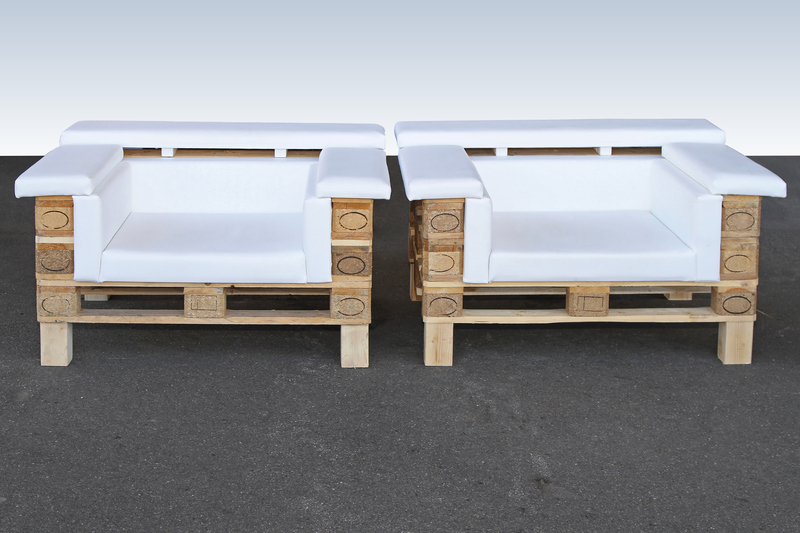
- Pallets: Build coffee tables, shelving units, or garden planters from wooden pallets. Sand and stain for a polished finish.
- Old Drawers: Repurpose drawers as under-bed storage, wall-mounted shelves, or even as quirky planters.
- Wooden Crates: Stack and fasten together to create rustic bookshelves or shoe racks.
- Chair or Table Legs: Attach hardware to transform table legs into coat racks or towel holders.
5. Giving Electronics and Appliances New Life
Dealing with electronic waste is a growing concern. Several innovative upcycling methods can help extend the usefulness of gadgets and components.
- Old Smartphones: Use as dedicated music players, alarm clocks, baby monitors, or security cameras with the right app.
- Laptop Keyboards: Salvage keys for crafts, jewelry, or personalized fridge magnets.
- Circuit Boards: Fashion into art pieces, coasters, or unique jewelry with minimal tools and some creativity.
- Appliance Parts: Repurpose gears and handles as hardware, decorations, or parts for new gadgets.
6. Creative Upcycling for Outdoor Spaces
Reducing waste goes beyond the indoors. Outdoors, upcycled materials can create beautiful gardens, play areas, and functional outdoor furniture.
- Tire Planters: Paint old tires and stack them as raised beds for flowers or vegetables.
- Bottle Gardens: Build vertical planters or self-watering systems from plastic bottles.
- Pallet Compost Bins: Construct compost bins from salvaged wooden pallets to turn food scraps into garden gold.
- Outdoor Lights: Create lanterns from tin cans or glass jars, piercing holes for patterns and inserting candles or LED lights.
Upcycle Trash into Art: Turning Waste into Creativity
Upcycling isn't just about utility; it's also about artistic expression. Turning trash into treasure through art fosters creativity and raises awareness of waste reduction.
- Plastic Bottle Sculptures: Make striking installations by cutting, reshaping, and painting plastic bottles.
- Found Object Collages: Combine everyday items like buttons, bottle caps, and wire into compelling wall art.
- Recycled Paper Mache: Use old newspapers to mold animal figures, masks, or custom bowls.
- CD Mosaic Art: Break old CDs into pieces to decorate frames, mirrors, or garden walls with reflective designs.
Reducing Household Waste with Smart Habits
While upcycling trash is an exciting way to keep materials out of the landfill, adopting smarter everyday habits amplifies your impact. Here's how you can incorporate waste reduction strategies into daily life:
- Practice thoughtful purchasing: Choose products with minimal or recyclable packaging.
- Use reusable bags, bottles, and containers instead of single-use plastics or disposables.
- Compost food scraps and yard waste to minimize organic waste.
- Sharpen repair skills - mend clothes, fix small appliances, and restore furniture instead of replacing them.
- Donate unwanted items to charities or swap groups rather than sending them to the landfill.
The Economic and Environmental Impact of Upcycling
The benefits of innovative ways to upcycle trash and reduce household waste extend beyond personal satisfaction - they create a ripple effect in communities and the economy.
- Green Businesses: New companies are emerging that specialize in transforming trash into eco-friendly products, stimulating local economies.
- Job Creation: Upcycling initiatives and workshops support new job sectors in design, education, and green manufacturing.
- Education: Schools and organizations can use upcycling projects to teach about sustainability and environmental stewardship.
- Waste Diversion: Collectively, upcycling can significantly reduce landfill contributions and lower greenhouse gas emissions.
Upcycling: Fun Projects for Kids and Families
Getting the whole family involved in upcycling trash is a great way to nurture creativity in children and teach environmental responsibility from an early age.
- DIY Bird Feeders: Use milk cartons, peanut butter jars, or plastic bottles to create bird feeders and observe wildlife up close.
- Personalized Plant Pots: Decorate tin cans or yogurt containers as custom planters for small herbs or flowers.
- Homemade Board Games: Reinvent board games using cardboard, bottle caps, and craft scraps as game pieces for hours of fun.
- Costume Making: Build imaginative outfits and props from egg cartons, fabric scraps, and packing materials.
Essential Tips for Getting Started with Upcycling at Home
Embracing innovative upcycling does not require special skills, but a new perspective on everyday objects. Here are some helpful tips:
- Start with easy projects and use online tutorials for guidance.
- Keep basic supplies handy - scissors, glue, paint, sewing kit, and sandpaper can go a long way.
- Join online communities, follow social media pages, or attend local workshops for ideas and support.
- Look for inspiration in zero-waste blogs, YouTube channels, or local green organizations.
- Encourage friends and neighbors to share materials or swap finished projects.
Conclusion: Small Steps, Big Impact
In summary, exploring innovative ways to upcycle trash and making creative efforts to reduce household waste are powerful actions that protect the planet, save money, and inspire others. With a little imagination and conscious effort, anyone can turn yesterday's trash into tomorrow's treasure. Start today, and be a catalyst for positive change in your home and your community!
FAQs about Upcycling Trash and Household Waste Reduction
- What everyday items are easiest to upcycle?
Glass jars, tin cans, cardboard boxes, old t-shirts, and plastic containers are some of the simplest materials to start with. - How can I get my children interested in upcycling?
Make upcycling fun by turning it into a game or family creative time. Encourage them to come up with ideas and praise their unique creations. - Is upcycling better than recycling?
Upcycling preserves more of the item's original value and often uses fewer resources than recycling, which requires energy and industrial processing. - Can upcycling save me money?
Absolutely. Upcycling reduces the need to buy new items and can cut wastage costs in the long run. - Where can I learn more about creative upcycling projects?
Look for tutorials online, sustainable living books, or community workshops focused on DIY crafts and sustainability.